
How Long Does a Truck Scale Actually Last?
One of the most common questions I get from customers shopping for a truck scale is: “How many years will this last?” I understand why they ask. A scale is a big purchase, and everyone wants to know they’re getting their money’s worth. But my usual answer is another question: “How are you planning to maintain it?” That’s not a dodge — a weighbridge’s lifespan is rarely determined by the scale itself. It’s determined by how it’s used and cared for.
As a general industry benchmark, a well-maintained truck scale under standard use — roughly 200 trucks a day — typically lasts 20 to 30 years. But that number is a design expectation, not a guarantee. The same scale, maintained properly, can hit or exceed that range; neglected, it can start showing problems well before the ten-year mark — binding, drift, premature sensor wear. When I walk up to a scale that’s acting up, the story is usually written in the little things: grit in the gaps, water sitting in the pit, a cable that’s been rubbed raw. Almost all of it traces back to daily habits, not build quality.
I work in technical support at Fujian Fangda Weighbridge, and I’ve seen installations still holding tight accuracy after nearly three decades, and others needing major repairs in under five years. The difference is rarely the scale itself — it’s whether these habits were actually followed.
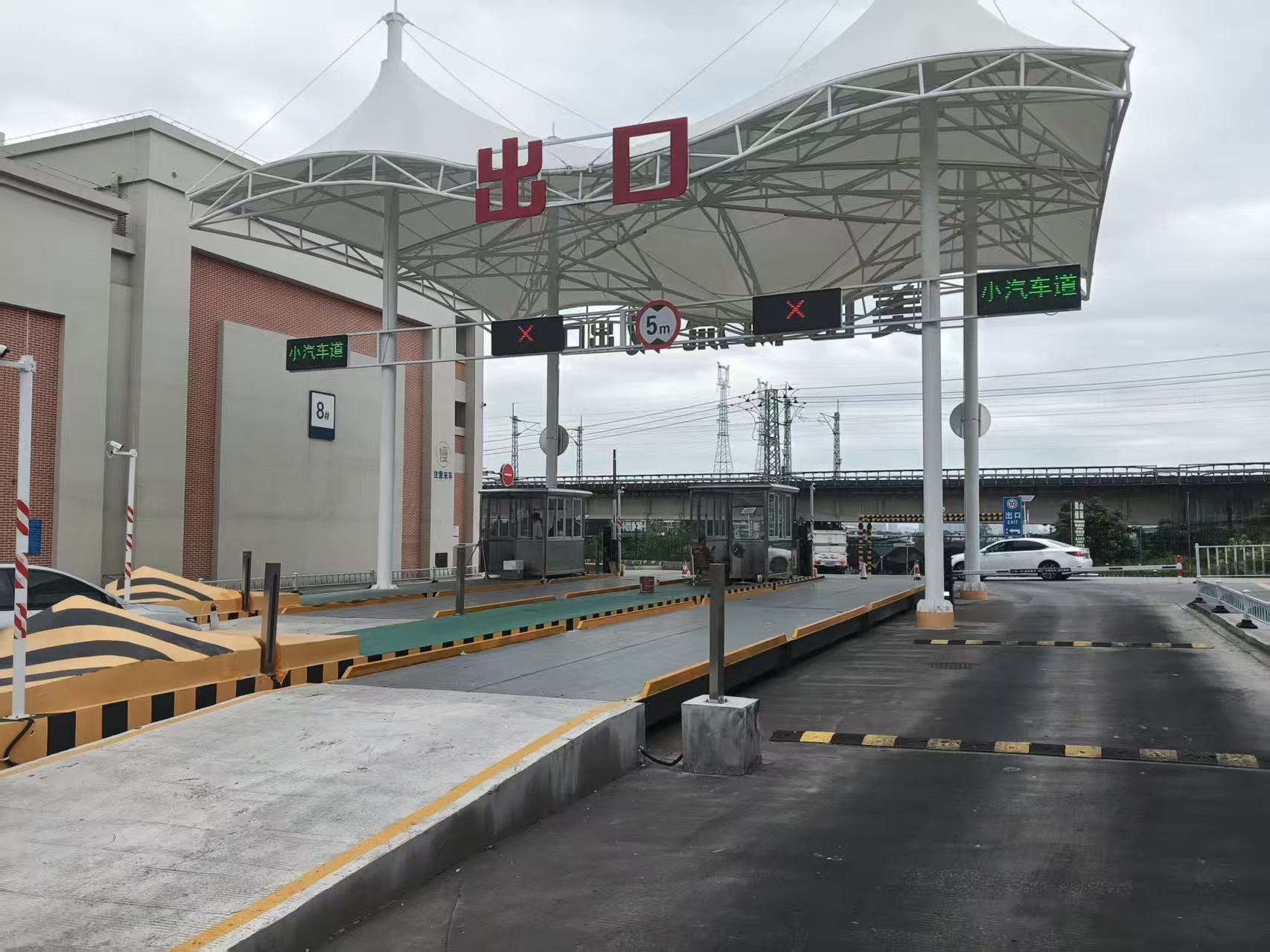
Keep It Clean:Simple, But Easy to Skip
Debris, mud, and rocks on the deck, in the gaps, and inside the pit should be cleared out weekly. This isn’t just about appearance — buildup can restrict the deck’s movement clearance and cause subtle binding, while mud mixed with rainwater sitting in the pit accelerates corrosion on sensors and structural components over time. A clean scale looks better, but that’s the least important part. The real cost is what you can’t see yet.
Power-washing works well for this, but be careful with pressure and angle near load cell wiring. And make sure drainage stays clear — standing water in the pit is behind more long-term degradation issues than people tend to assume. It’s easy to forget the pit once the deck is clean, but that’s often where the damage starts.
Inspect Routinely:Catch Small Problems Before They Grow
Routine inspection doesn’t take long, but it pays off. Daily visual checks should look for binding, new cracks, or surface rust. Monthly checks should go deeper — load cells, junction boxes, cables, and grounding, checking for moisture intrusion or physical damage. It’s easy to put inspection off when the scale is working. That’s exactly when the early signs are easiest to miss.
Most failures don’t happen suddenly; they build up gradually. Regular inspection exists specifically to catch that buildup early, rather than waiting until the scale stops working entirely.
Calibrate on Schedule:Accuracy Isn’t a One-Time Setup
Certified calibration should happen 2 to 3 times a year, and more frequently under heavy use or after any repair or relocation. Accuracy drifts gradually with use, and calibration exists to correct that drift proactively — not after a customer complains about a reading that doesn’t match expectations. It’s not that the scale suddenly lies; it drifts, a little at a time, until the number no longer matches the load.
For many industries, calibration records are also part of regulatory compliance, so keeping detailed logs serves two purposes: tracking trends and satisfying audit requirements.
Manage How Vehicles Cross the Scale
A meaningful share of wear on the deck and load cells comes from how vehicles approach — hard braking, sharp turns, off-center crossing, and overloading all put far more stress on the system than a slow, controlled pass. Watch a busy scale for an hour and you’ll see it: a driver brakes late, cuts the corner, rolls onto the deck off-center. None of it looks dramatic, but the system feels every bit of it.
Clear signage at the approach, requiring slow and centered entry and exit, costs almost nothing to implement but is consistently underestimated in how much it extends service life.
Protect Against the Weather
Seals, covers, and protective coatings need regular inspection. Surface rust should be addressed as soon as it appears — the longer it sits, the more expensive the repair becomes. Weather is patient. It works on seals, covers, and coatings a little at a time, and by the time the damage is obvious, it’s usually already costly.
Electronics also need consistent weatherproofing, especially heading into wet seasons; it’s worth specifically checking junction box and cable seals before that period each year.
Bring in Professional Service
Semi-annual technician checkups are worth scheduling, along with detailed maintenance and calibration records kept over time. These logs aren’t just for compliance — they let you spot performance trends early and act on them, rather than reacting after something has already failed.
Bottom Line
A 20-to-30-year design life is the industry standard for truck scales, but whether a given installation reaches — or exceeds — that range has less to do with the quality of the steel and far more to do with whether cleaning, inspection, and calibration actually happen on schedule. The steel matters, but the habits matter more.
At Fujian Fangda Weighbridge, we typically leave customers with a maintenance checklist tailored to their specific site conditions after delivery, since traffic volume, climate, and usage intensity vary enough that a single fixed schedule rarely fits everyone.
If your current scale has been in service for a while, or you’re setting up maintenance routines for a new installation, happy to talk through your specific situation and where there’s room to tighten things up.
100-ton Weighbridge & Truck Scale
英文表单
NAME :*
TEL :*
E-MAIL*
Describe the requirements:*


